Crafting the Perfect Wedding Timeline for Your Catskills Wedding Venue
Planning a wedding is one of life’s most exciting experiences, and when the celebration is set against the serene and breathtaking backdrop of the Catskills, it becomes truly unforgettable. However, even the most beautiful venue requires careful organization to ensure every moment flows seamlessly. Crafting the perfect wedding timeline is one of the most essential parts of wedding planning, especially when your celebration is taking place at a Catskills Wedding Venue. A well-thought-out schedule keeps everyone on track, reduces stress, and allows couples to enjoy their day without worrying about what’s next.
This detailed guide explores how to create a balanced and efficient wedding day timeline suited specifically for a Catskills Wedding. From sunrise preparations to the final sparkler send-off, every step should align with the unique pace, ambiance, and landscape that the Catskills offers.
Understanding the Importance of a Wedding Day Timeline
A wedding day timeline is not simply a list of events—it’s the backbone of the entire celebration. It outlines when things should happen, who should be where, and how the day will unfold from beginning to end. For couples hosting their wedding at a Catskills Wedding Venue, timelines take on added importance due to the region’s natural beauty, diverse weather patterns, and unique venue layouts.
Unlike urban wedding venues, wedding venues Catskills often feature sprawling outdoor landscapes, multi-building properties, or areas that require travel between ceremony and reception spaces. Without a structured plan, time can easily slip away amid the excitement and breathtaking scenery. Creating a clear, flexible, and detailed timeline ensures that vendors, guests, and wedding party members are aligned throughout the day.
Moreover, a timeline helps accommodate essential moments for photography, catering service, speeches, and entertainment without making the day feel rushed. It’s about creating harmony between structure and spontaneity—a perfect balance that lets couples fully immerse themselves in the beauty and emotion of their Catskills Wedding.
The Unique Rhythm of a Catskills Wedding
One of the most remarkable aspects of hosting a wedding in the Catskills is the region’s distinct rhythm. The pace of life here is slower, more intentional, and deeply connected to nature. This rhythm should be reflected in your wedding day schedule.
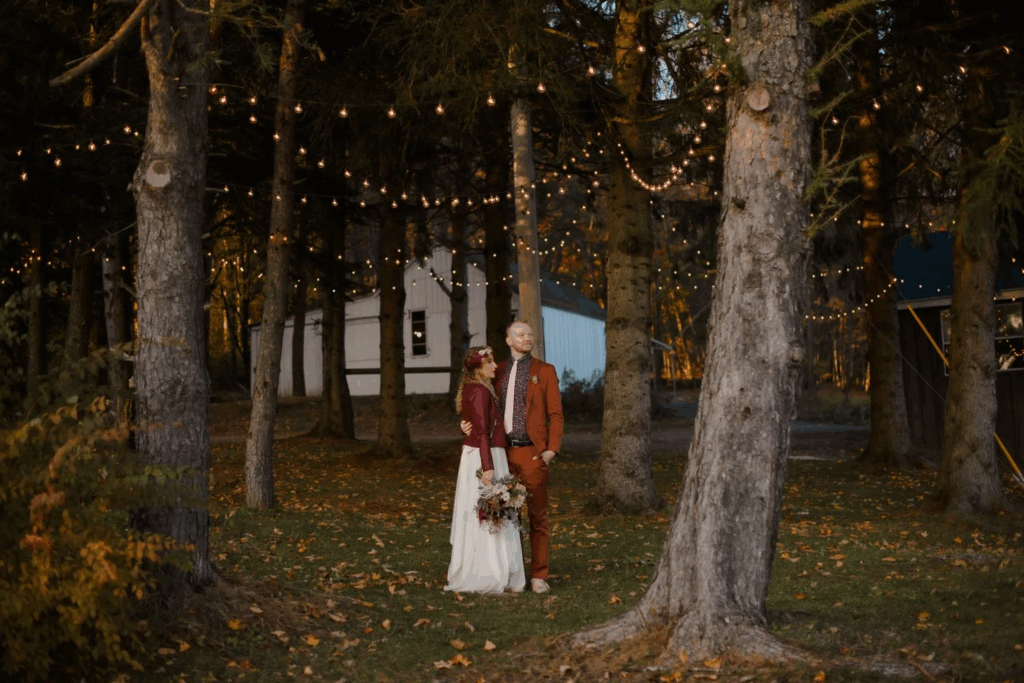
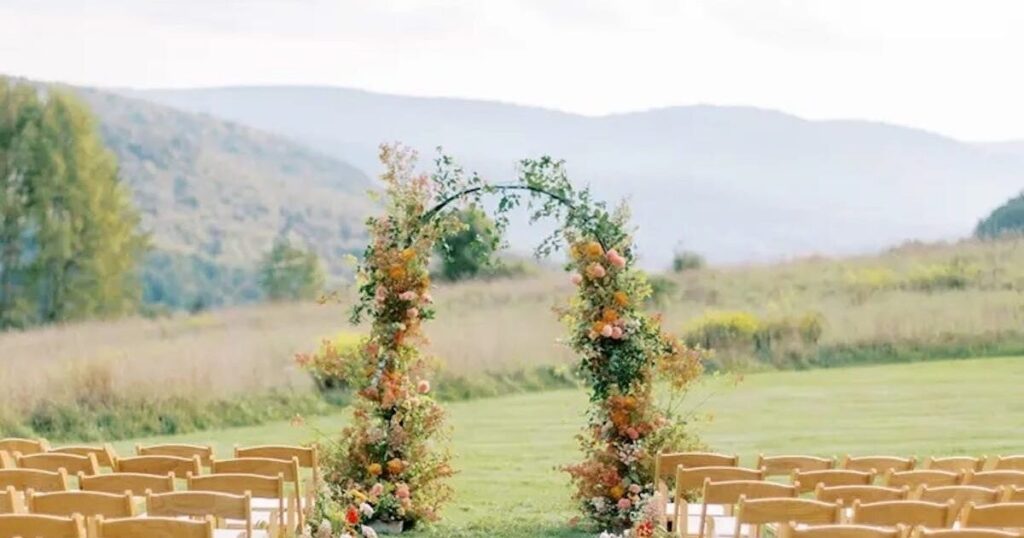
The Catskills’ rolling hills, rivers, and forests often encourage an outdoor or semi-outdoor experience. The setting invites moments of calm reflection and connection with loved ones, which should not be rushed. Whether you choose a morning ceremony beside a mountain stream or an evening exchange of vows beneath twinkling stars, the timeline must complement the natural light and mood of the day.
Many couples choose to extend their celebrations into a weekend experience. Guests often travel from afar and may wish to stay overnight or enjoy pre-wedding events such as welcome dinners or brunches. This means your timeline should not only cover the wedding day itself but also consider surrounding events and guest logistics.
Pre-Wedding Preparation and Setup
The first stage of your timeline begins long before guests arrive. Preparation is key. The morning of your wedding sets the tone for the entire day, and how you structure this period can greatly influence your mood and energy.
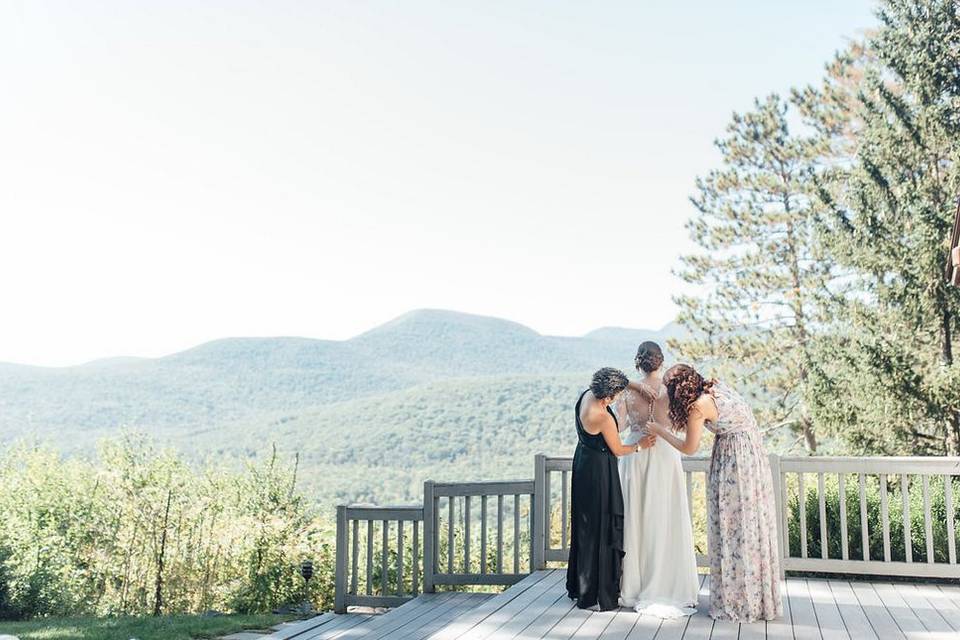
Brides, grooms, and wedding parties typically start their day early—often around 6 or 7 a.m.—to ensure there’s ample time for hair, makeup, attire, and travel between accommodations and the venue. The serene morning air of the Catskills makes this part of the day especially peaceful. Imagine sipping coffee while mist rises over the mountains or taking a quiet walk before the whirlwind begins.
If your Catskills Wedding Venue offers on-site lodging, it’s wise to plan your preparations there. This minimizes travel stress and allows your photographer to capture intimate getting-ready moments without interruptions. Allocate specific time slots for each member of the bridal party to ensure no one feels rushed.
During this phase, vendors such as florists, caterers, and decorators will begin their setup. Coordination is essential to ensure everything runs smoothly. Your timeline should note when each vendor arrives, how long setup will take, and who will be responsible for checking progress.
Timing the Ceremony
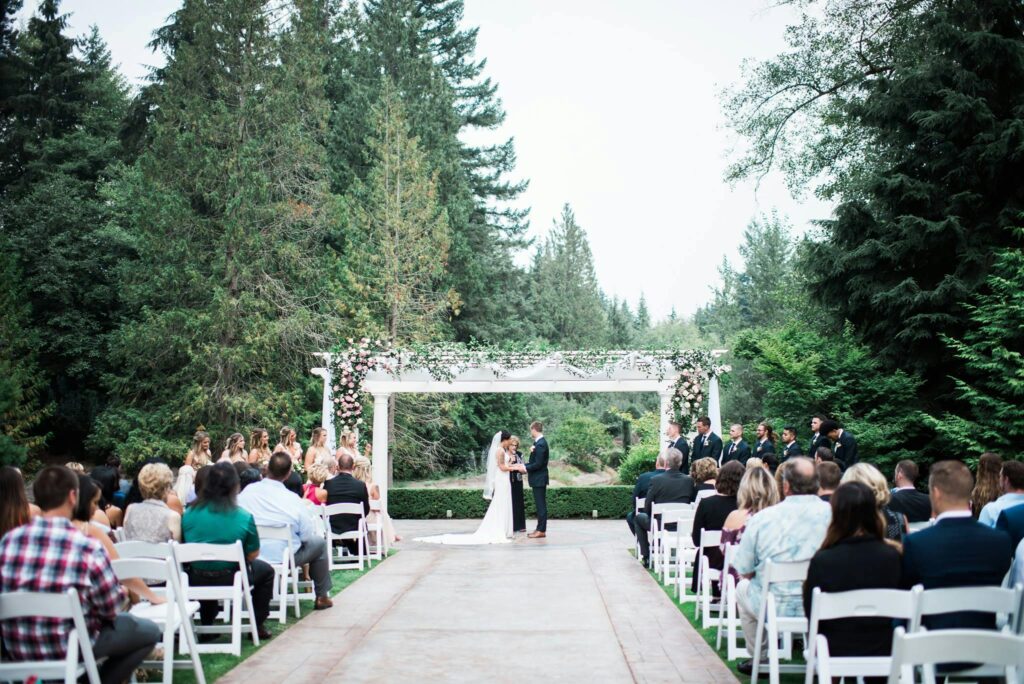
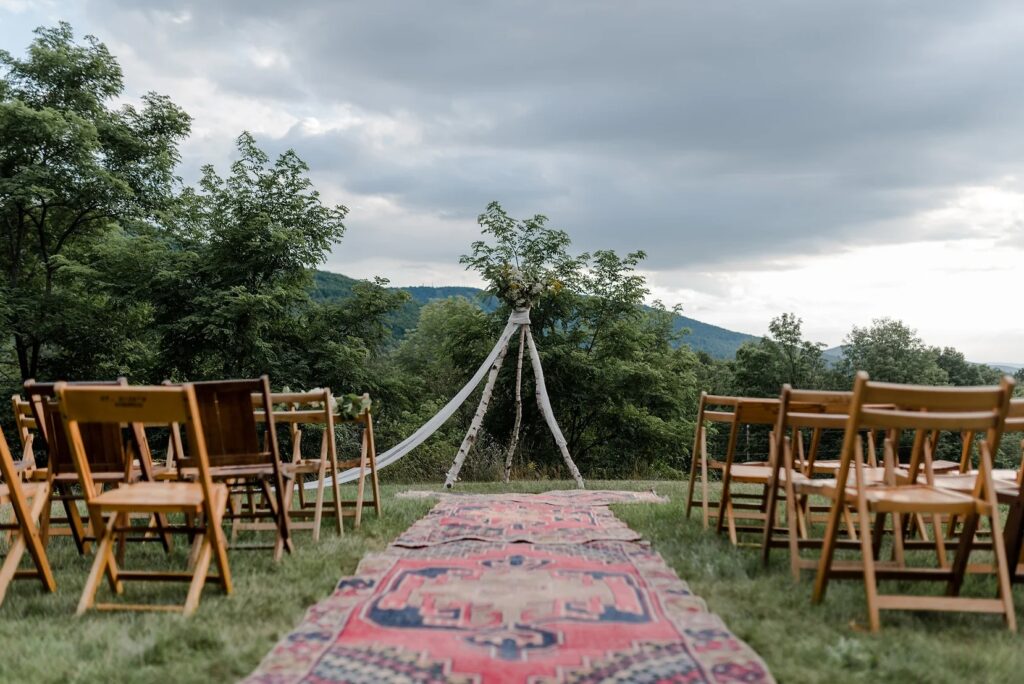
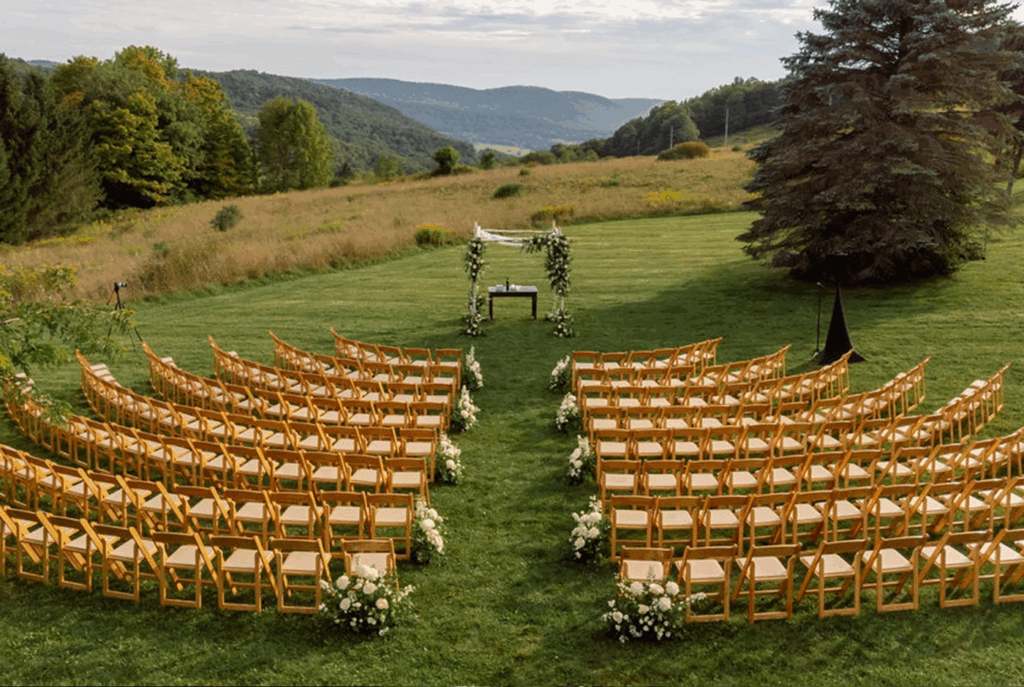
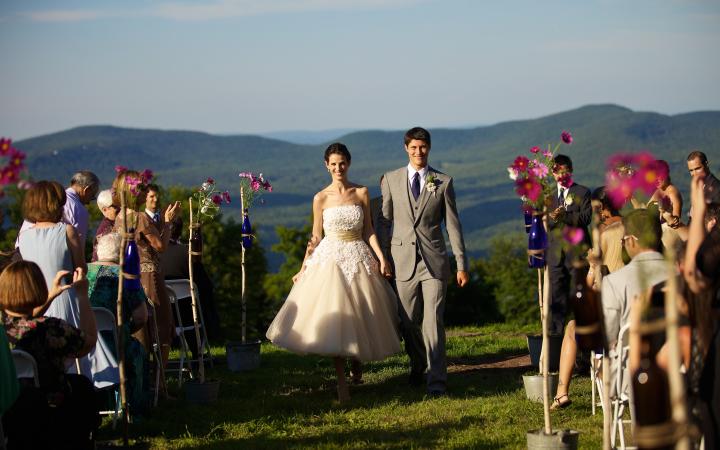
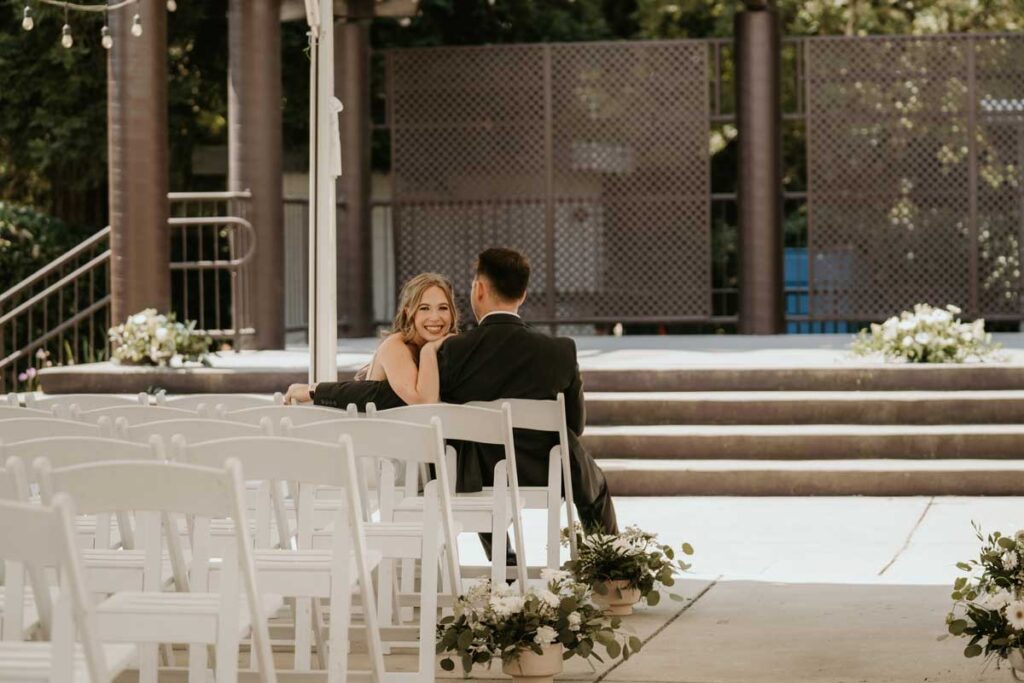
The ceremony is the heart of your wedding day, and its timing will influence the flow of the entire event. For Catskills weddings, it’s often best to plan your ceremony around natural light. Outdoor ceremonies are particularly sensitive to sun position, temperature, and potential weather changes.
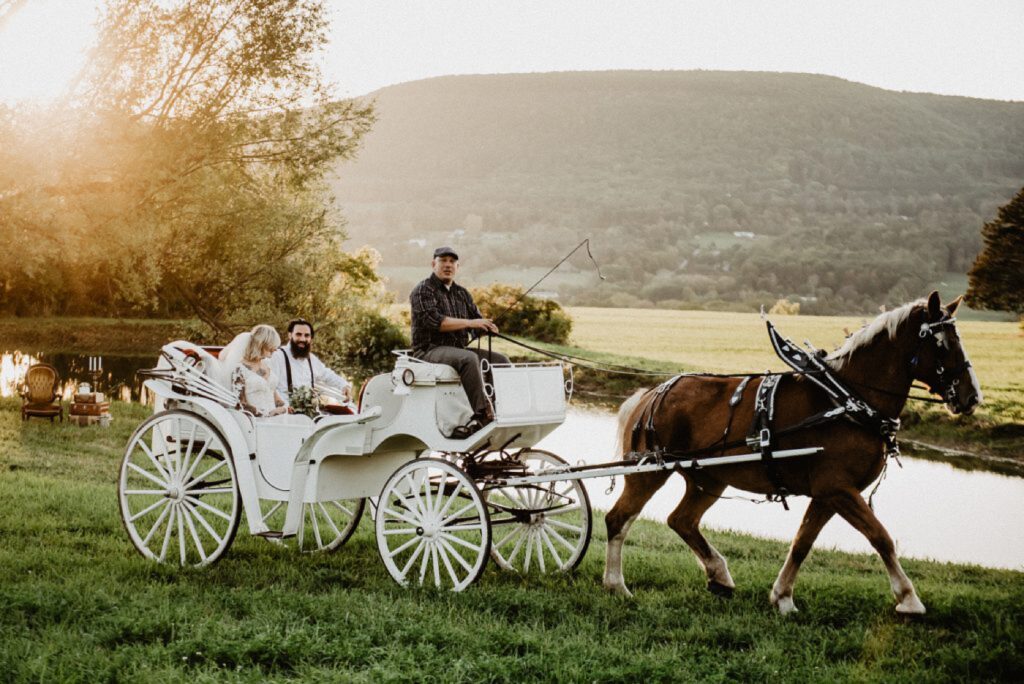
A late afternoon ceremony is one of the most popular choices, as it allows guests to enjoy the scenery without the intensity of midday sun. The soft golden light of early evening creates stunning photographs, highlighting both the couple and the picturesque surroundings of a Big Indian NY Wedding venue.
If you prefer a morning ceremony, consider the time guests will need to travel, especially if accommodations are off-site. Morning ceremonies can be followed by brunch-style receptions, which create a relaxed, elegant atmosphere. On the other hand, evening ceremonies lend themselves to dramatic lighting and a festive transition into nighttime celebrations.
When planning your ceremony’s start time, remember to include a 15- to 30-minute buffer for late arrivals. Guests navigating rural or winding Catskills roads may take a bit longer than expected to reach your venue.
The Transition: From Ceremony to Reception
After the ceremony, guests typically move to a cocktail hour or reception space. This transition period is critical to the success of your timeline. It allows guests to mingle, refresh themselves, and enjoy appetizers or drinks while you and your wedding party take formal portraits.
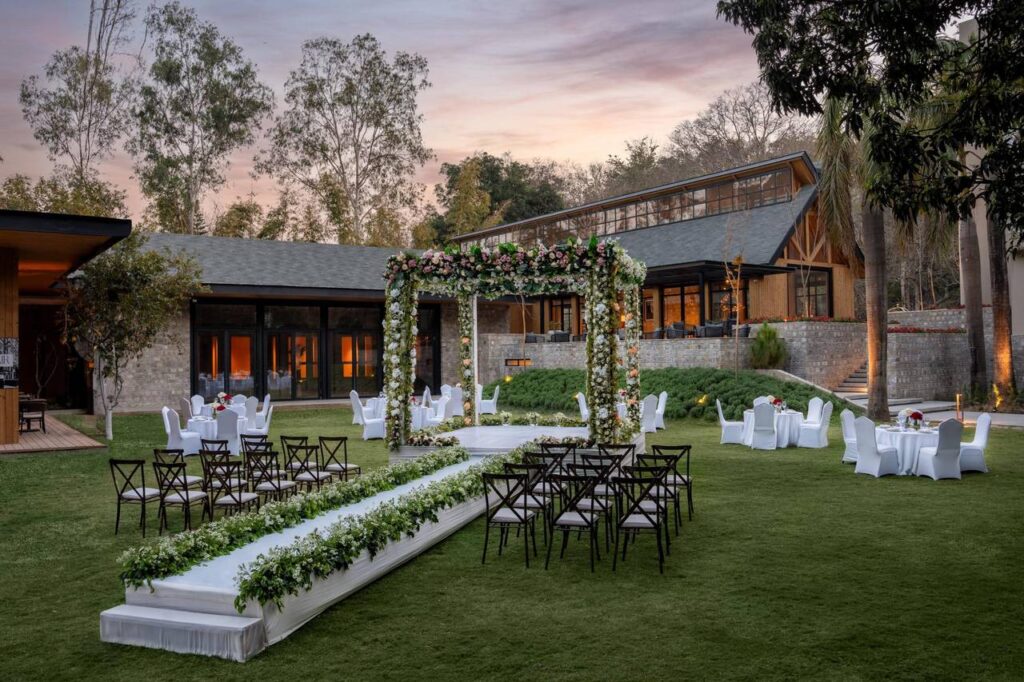
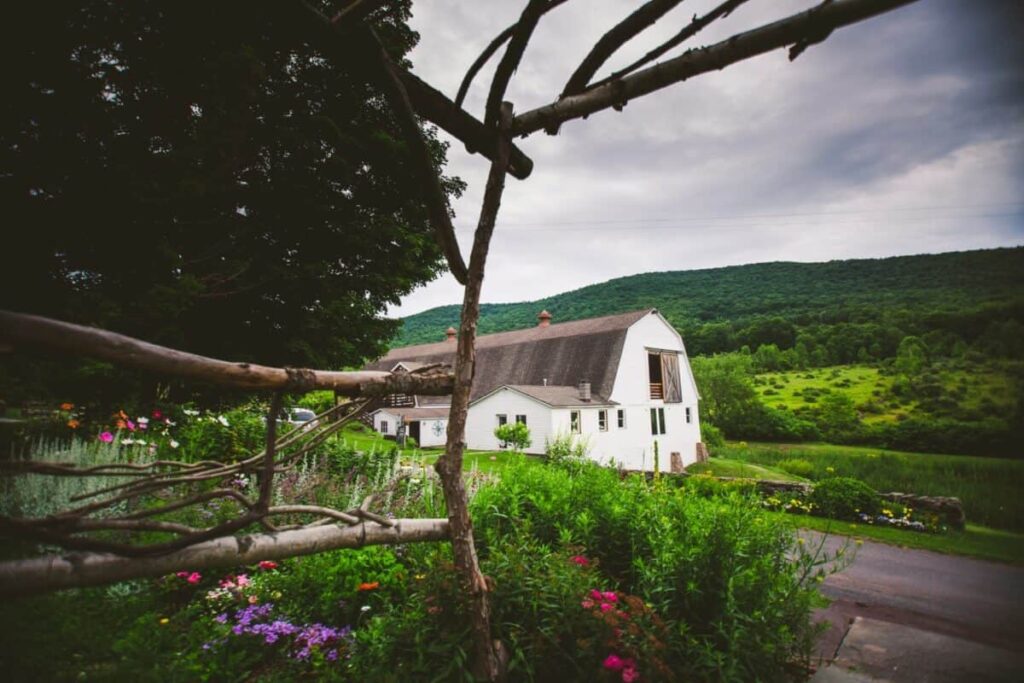
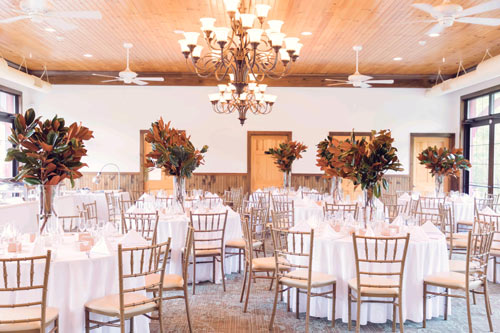
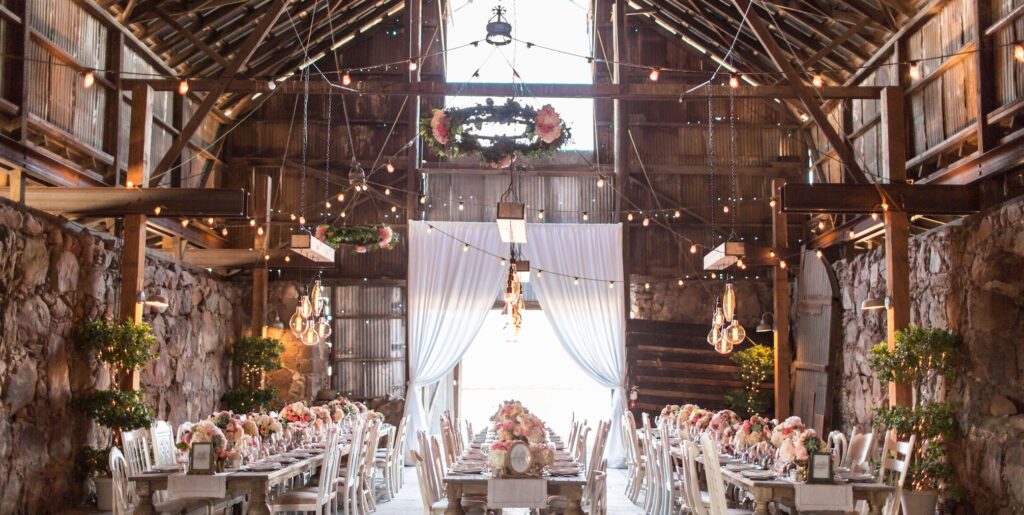
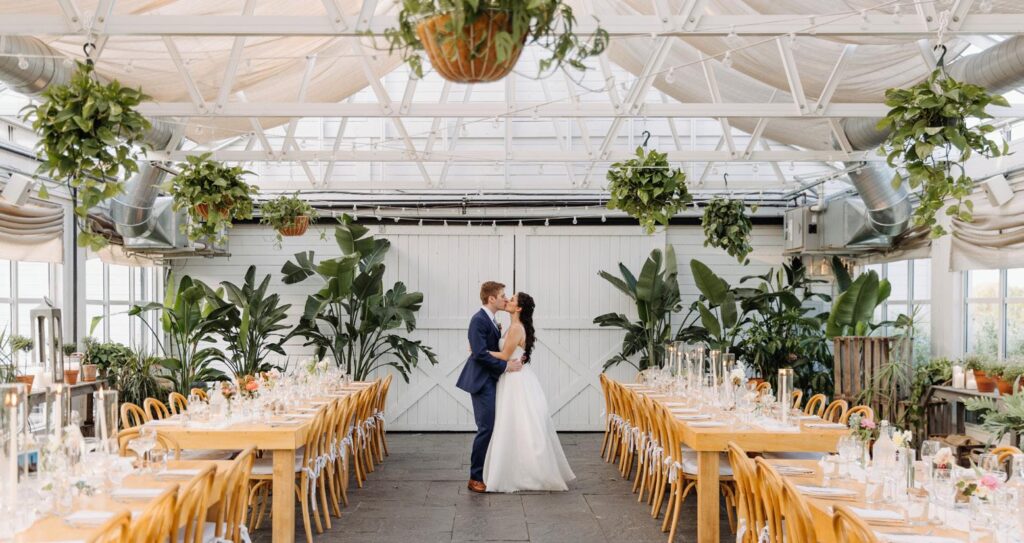
If your ceremony and reception are held in different locations, account for travel time between venues. Wedding venues Catskills often feature multiple spaces—such as gardens, barns, or terraces—that can be used for different parts of the event. Clearly indicate on your schedule how long it will take for guests to move between these spaces.
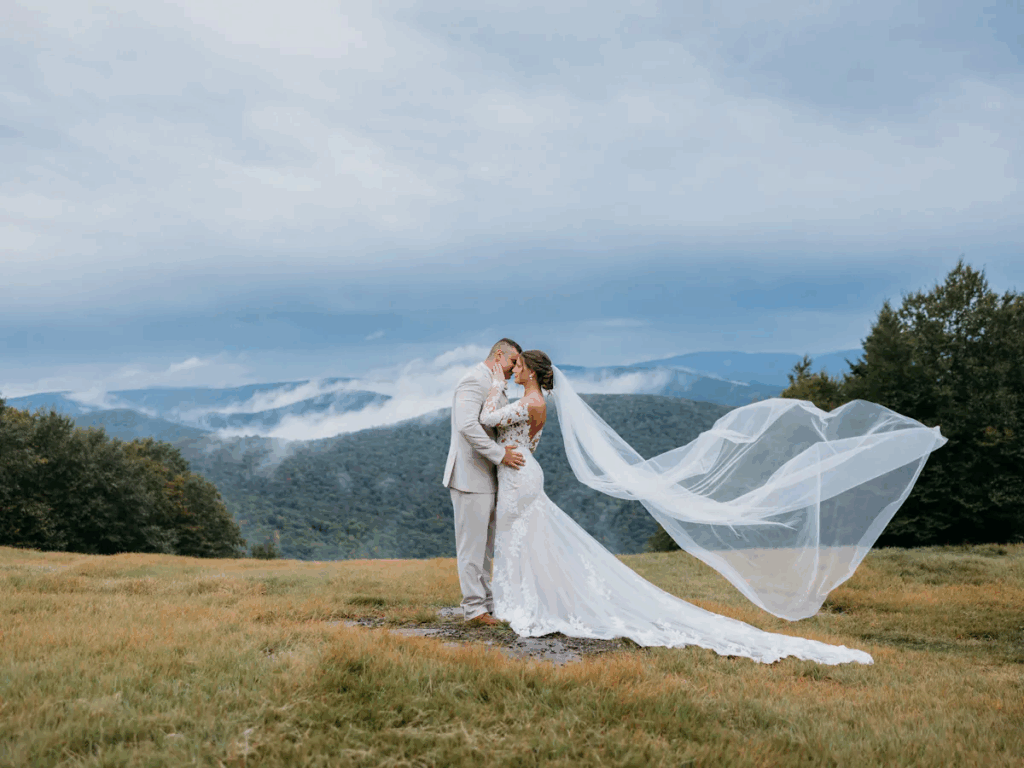
Photography sessions during this period should be carefully planned. The Catskills provide stunning natural backdrops—from forests and lakes to rustic barns and mountain overlooks. Discuss with your photographer which locations to prioritize and allocate at least 45 minutes to an hour for portraits. This ensures you capture the essence of your day without feeling rushed.
Dinner and Speeches
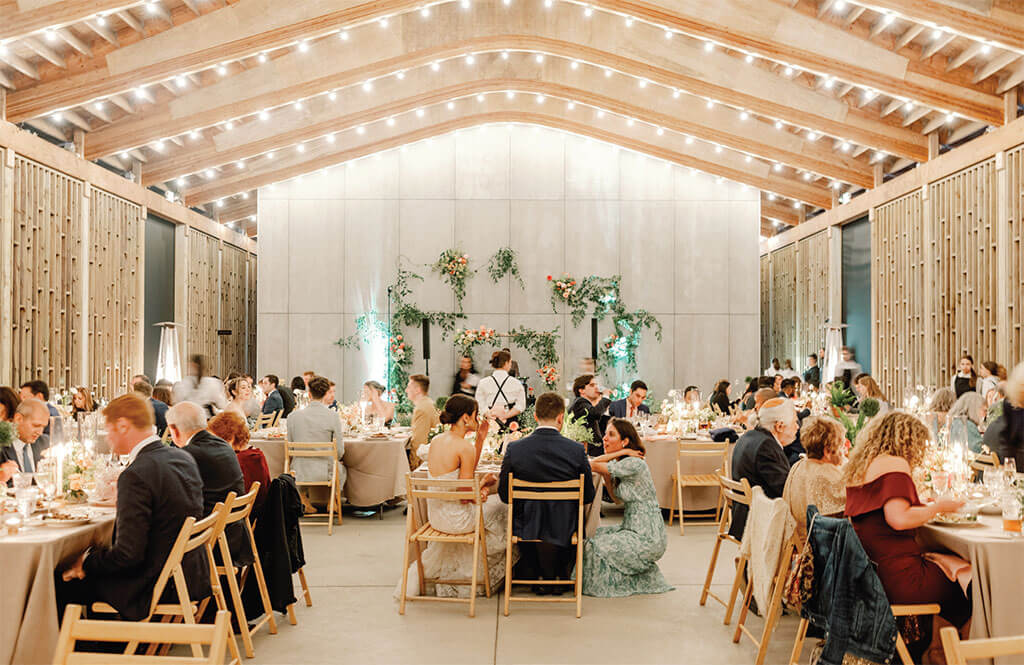
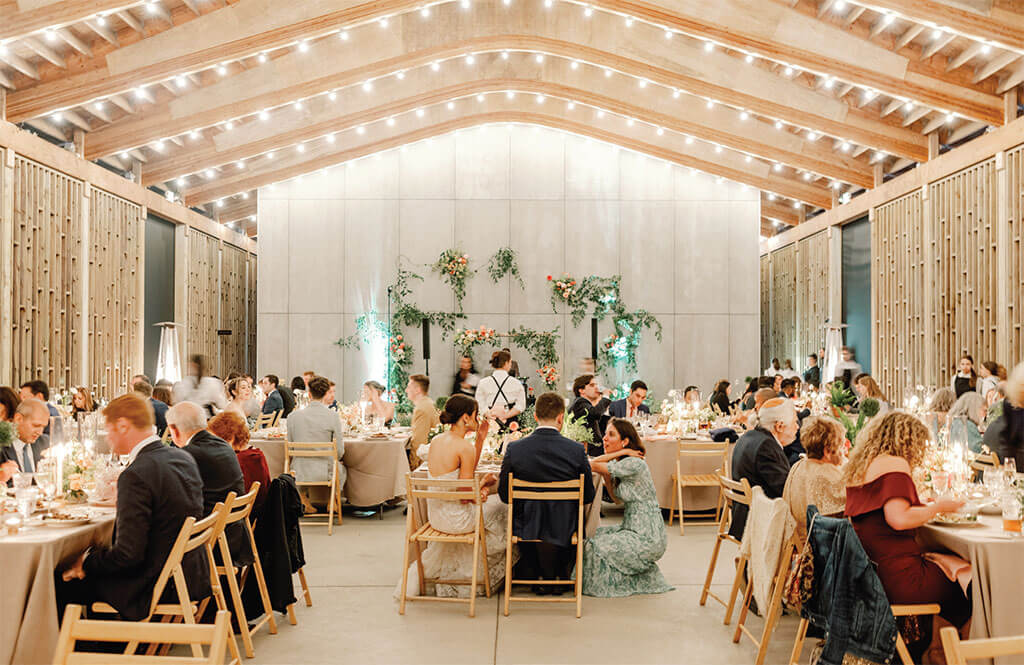
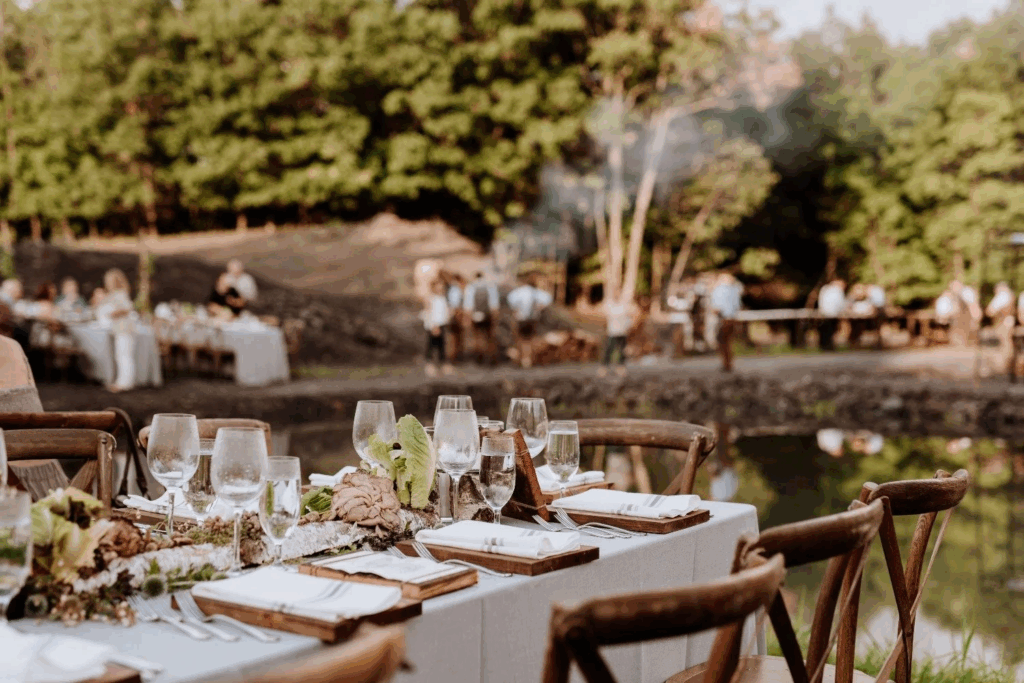
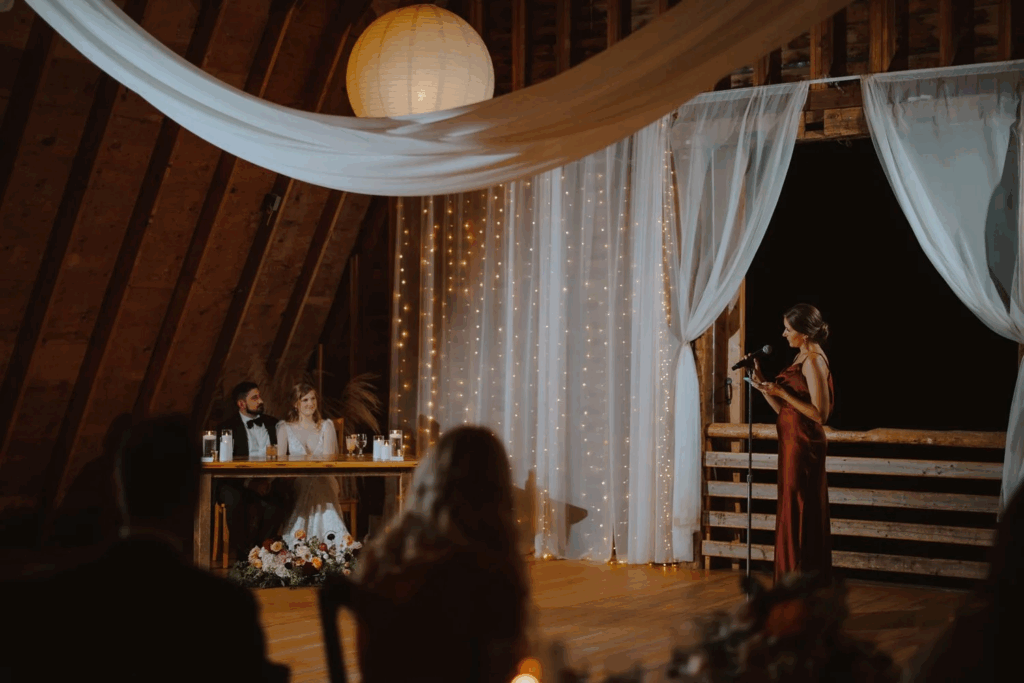
Dinner service is often the anchor of the reception timeline. Once guests are seated, the evening unfolds in a combination of toasts, meals, and laughter. The key is to balance structure with enjoyment.
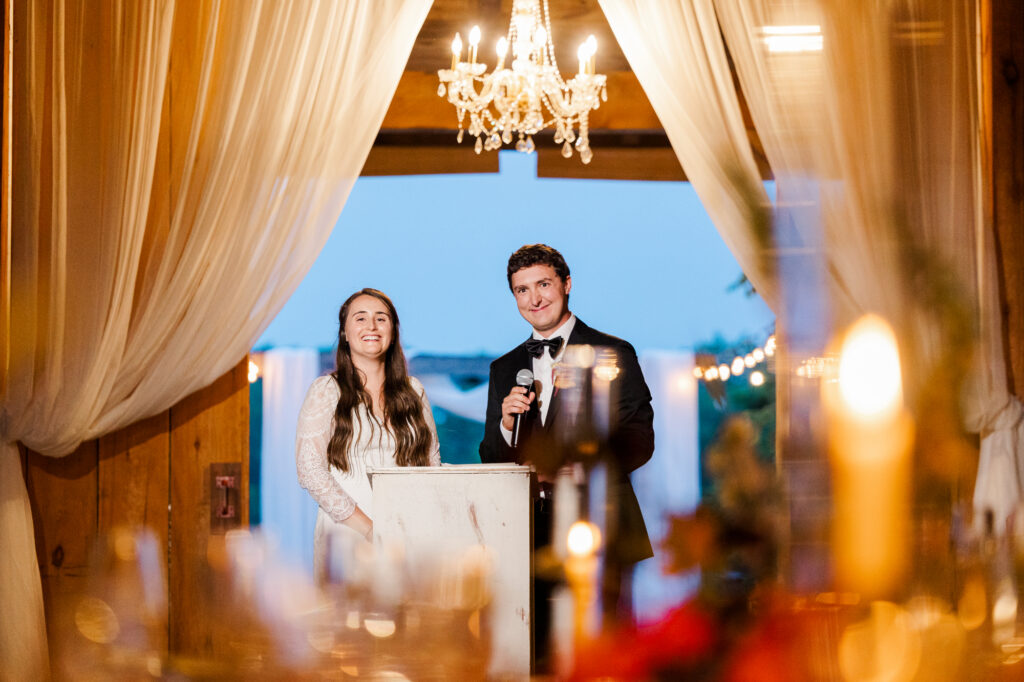
In the Catskills, local and seasonal cuisine often takes center stage, which adds a regional charm to your menu. Whether you choose a plated meal or a buffet, your timeline should allow for smooth transitions between courses. Typically, toasts are best placed after the first course or between dinner and dessert, ensuring guests are attentive and engaged.
Your master of ceremonies or designated host should coordinate closely with the caterer and planner to keep events flowing naturally. It’s important not to cram too many speeches together, as this can slow the evening’s momentum. Instead, allow breaks for conversation, dining, and relaxation.
Golden Hour and Sunset Photos
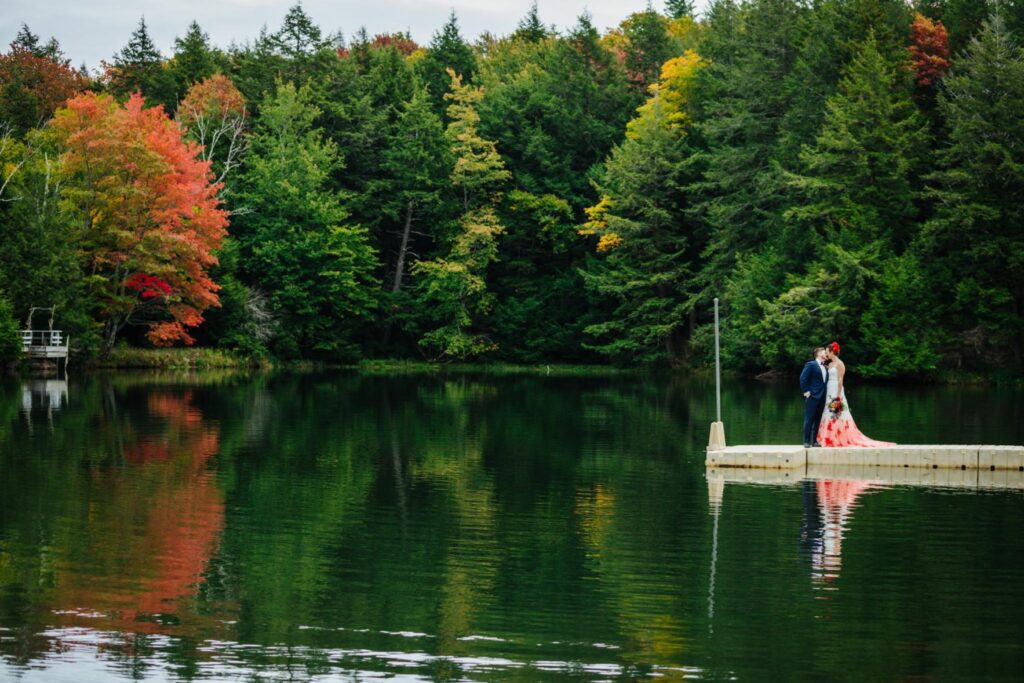
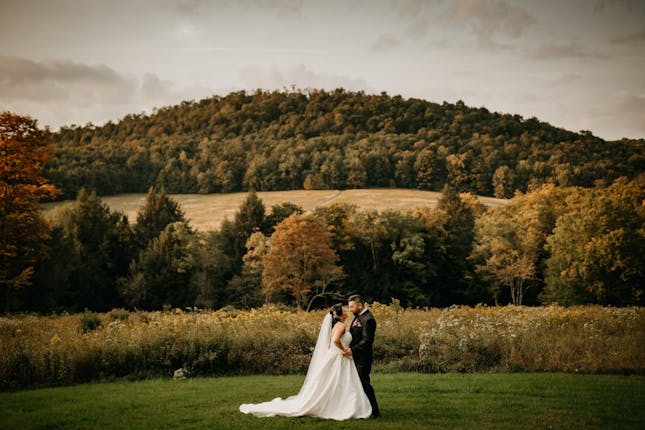
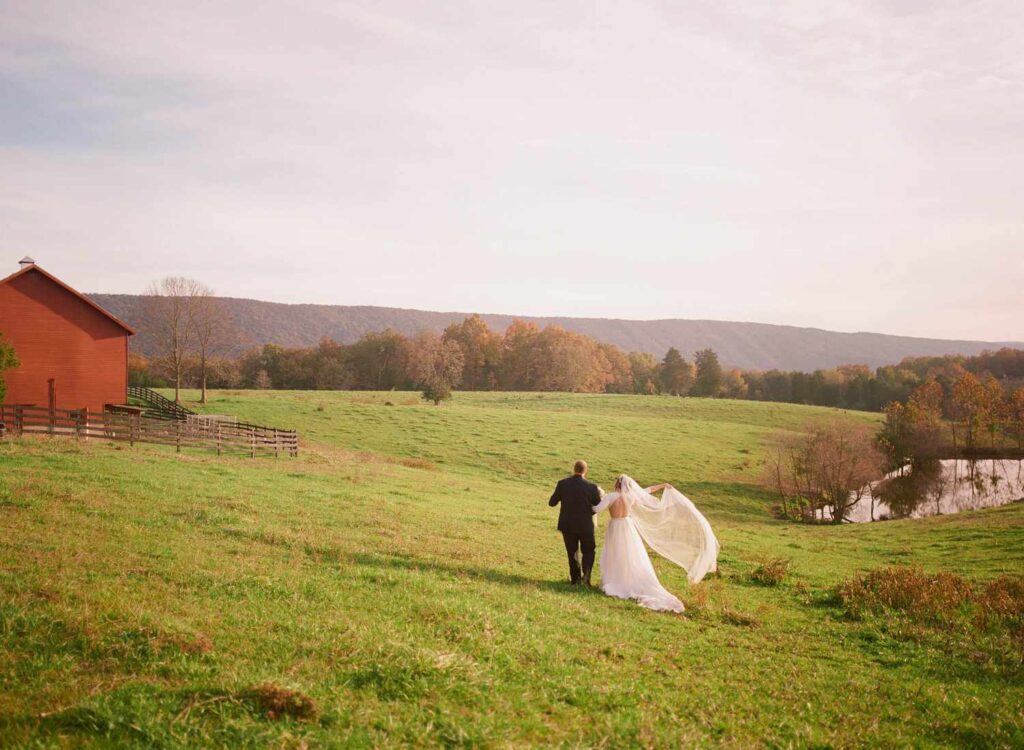
One of the most magical moments at any Catskills Wedding Venue occurs during golden hour—the brief window before sunset when the landscape glows with warm light. Photographers often refer to this as the best time for couple portraits.
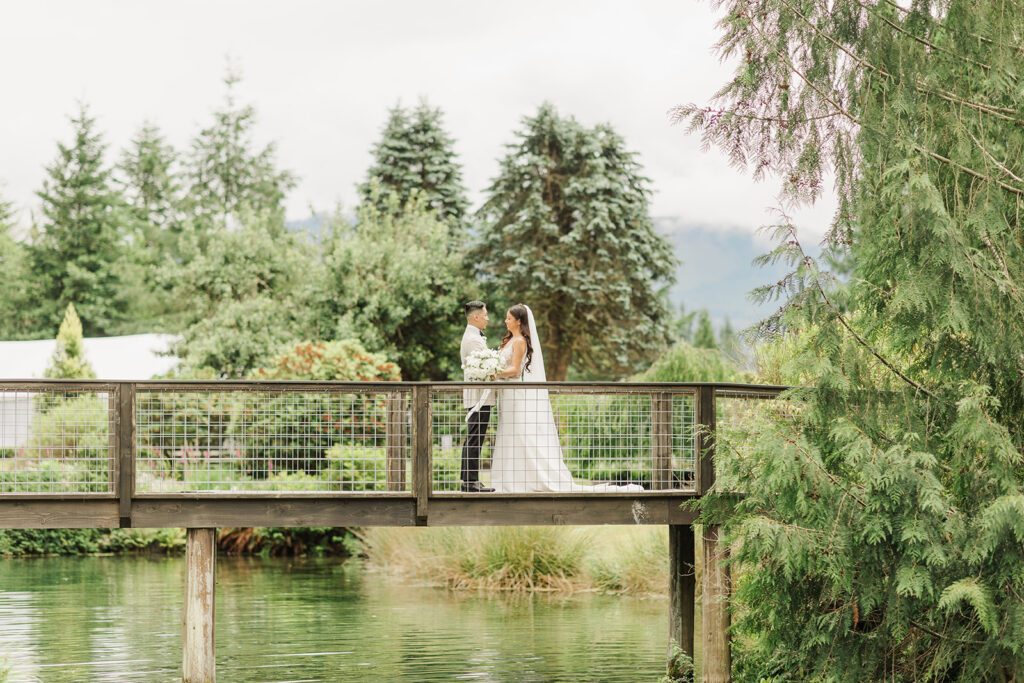
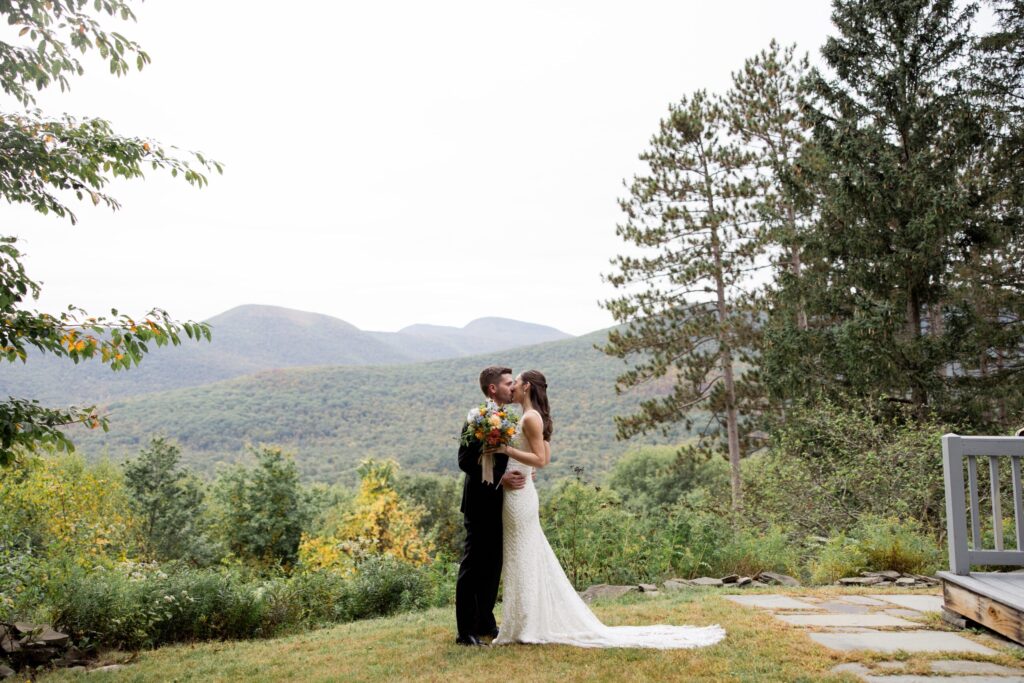
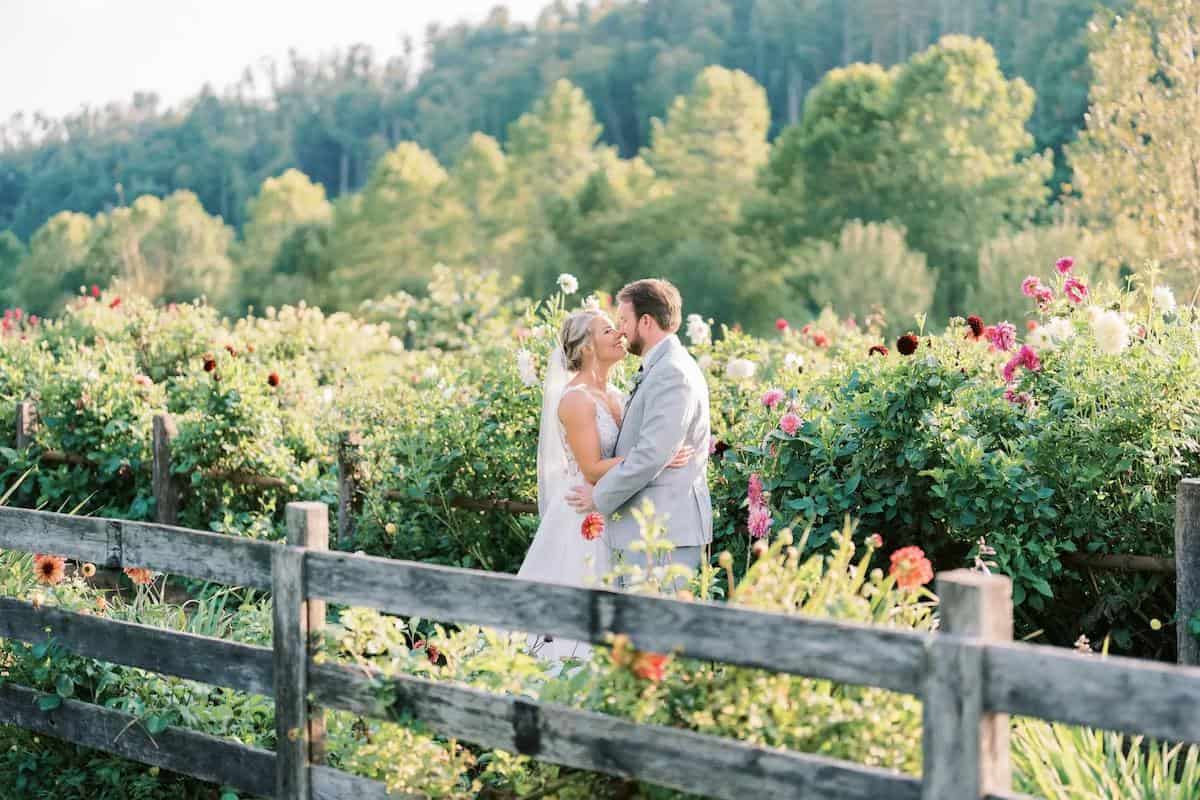
Your timeline should include a 20- to 30-minute break for sunset photos. This is when you can step away from the festivities for a quiet moment together, capturing breathtaking images among rolling hills or by a reflective pond. These photos often become some of the most cherished memories from the day.
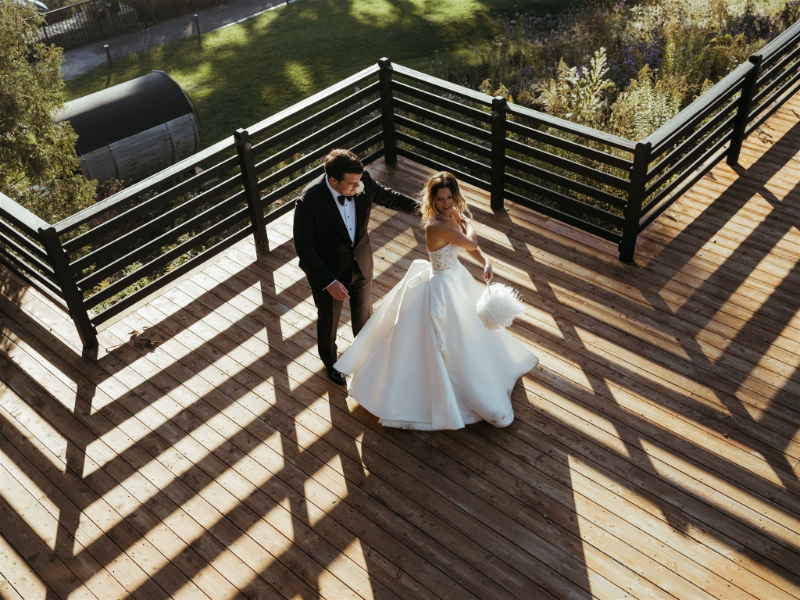
If your reception space overlooks the mountains or open fields, consider timing your first dance or cake cutting to coincide with sunset. The natural lighting will enhance the mood and add an ethereal touch to the evening.
Evening Celebration and Dancing
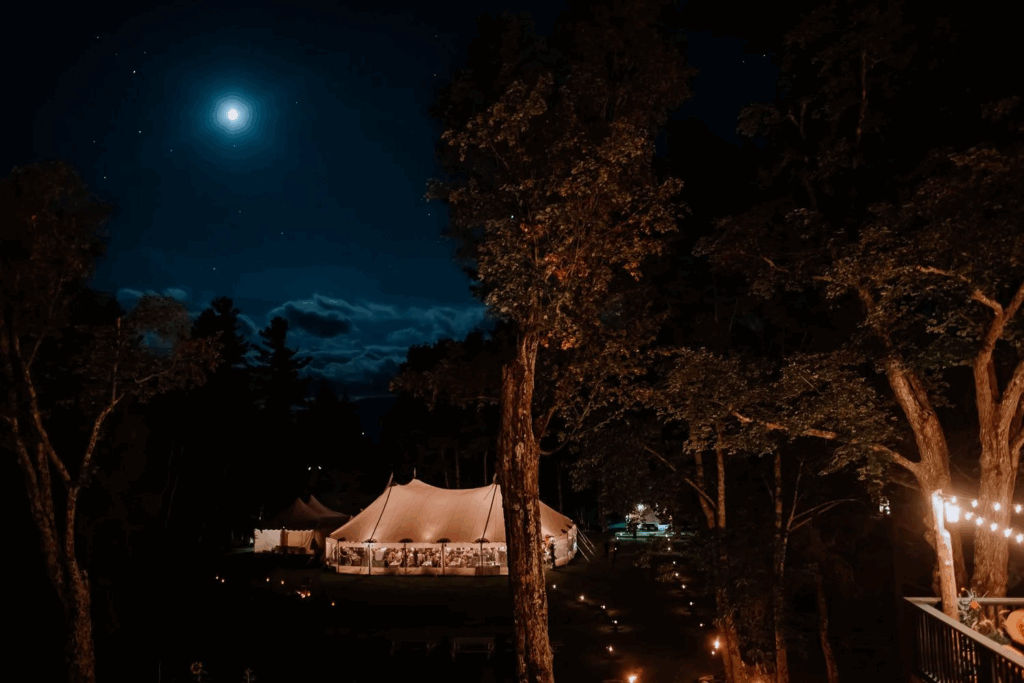
Once dinner and formalities conclude, it’s time for the celebration to truly begin. The Catskills offer a relaxed yet spirited energy that perfectly complements live music, dancing, and socializing under the stars.
The transition into evening festivities should feel seamless. Begin with a grand entrance or first dance to mark the start of the party. Follow with parent dances, if desired, and then open the floor to all guests. This progression allows photographers to capture key emotional moments before the lighting shifts for nighttime fun.
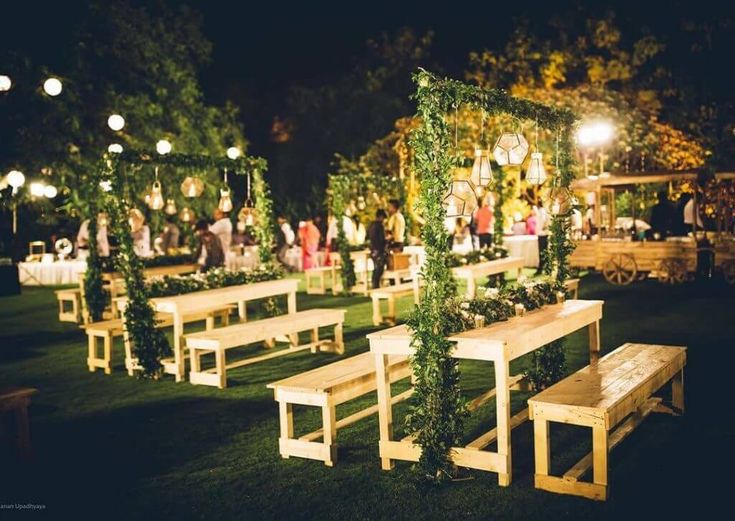
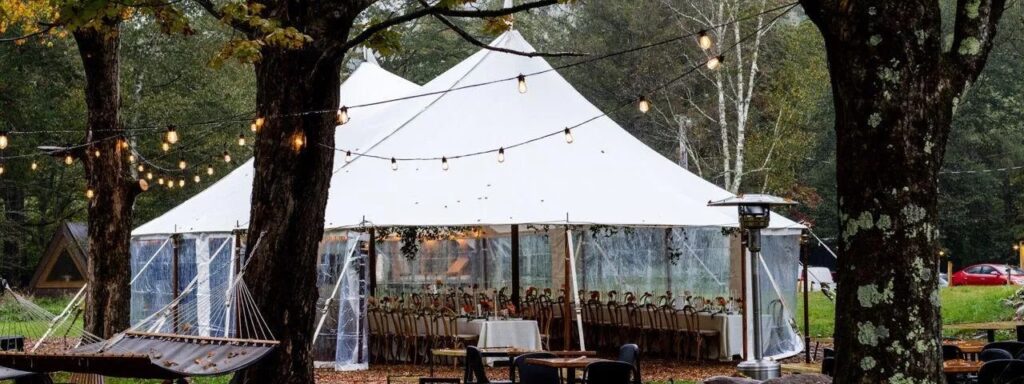
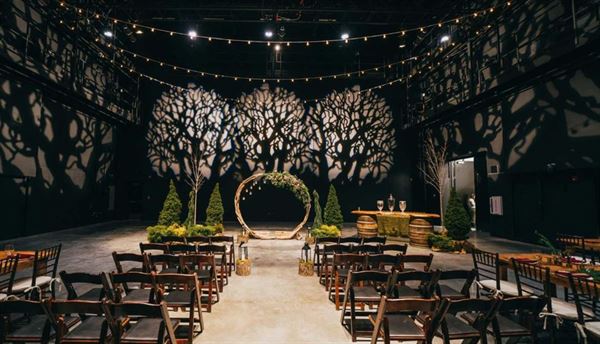
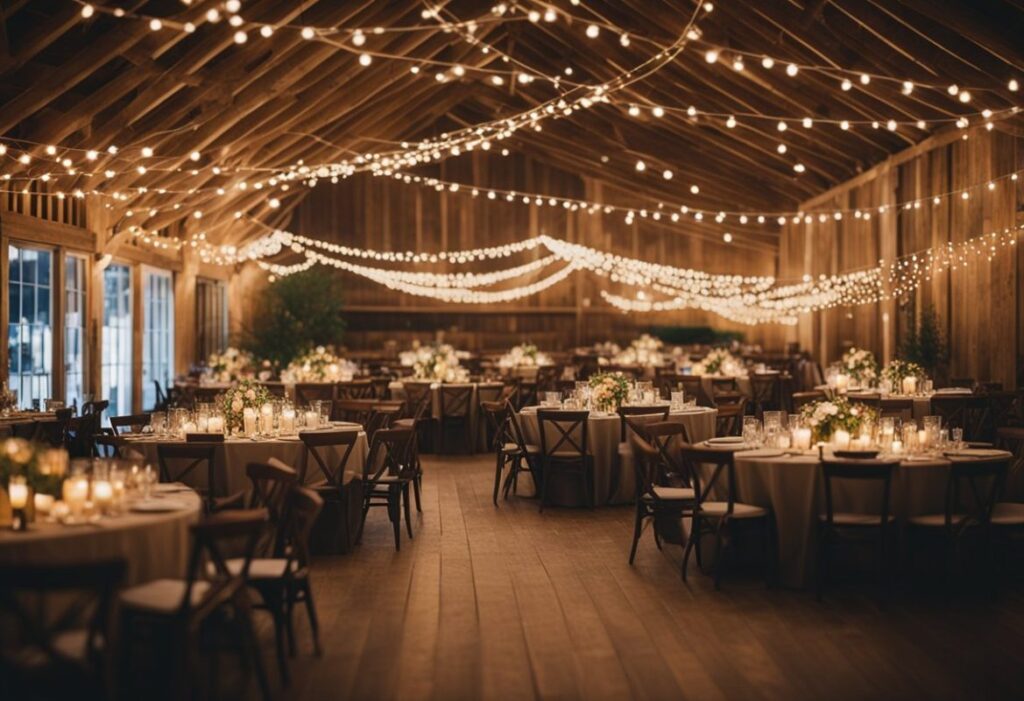
If your venue includes both indoor and outdoor spaces, plan for guests to enjoy both areas. Many Catskills venues feature fire pits, patios, or lawns perfect for mingling and late-night conversations. Ensure lighting is adequate and safety measures are in place if guests will be outdoors after dark.
Late-night snacks are a growing trend and can add a delightful touch to your reception. Schedule them approximately two hours before the event ends, giving guests renewed energy to continue celebrating.
Coordinating Vendors and Staff
A well-crafted timeline is not only for the couple but also for the professionals working behind the scenes. Vendors rely on precise scheduling to coordinate deliveries, setup, and tear-down. Sharing your timeline with them ensures everyone operates in harmony.
Photographers and videographers will need to know when key events occur, such as first looks, toasts, and dances. Caterers will plan their service around these events, while florists and coordinators handle transitions between ceremony and reception décor.
Your Catskills Wedding Venue coordinator or planner can serve as the central point of communication. They’ll manage timing adjustments as the day unfolds, addressing any delays without causing disruptions. Flexibility is essential—timelines serve as guides, not rigid rules. Unexpected moments often become the most memorable ones.
Factoring in Weather and Seasonal Considerations
The Catskills’ changing seasons are one of its greatest charms, but they also require thoughtful planning. Each time of year brings distinct advantages and challenges that affect your wedding timeline.
Spring weddings in the Catskills are lush and vibrant but may include unpredictable showers. Allow extra time for potential weather-related adjustments, especially if your ceremony is outdoors. Summer weddings often enjoy long daylight hours, giving more flexibility for afternoon and evening events. However, midday heat may necessitate shaded areas or hydration breaks for guests.
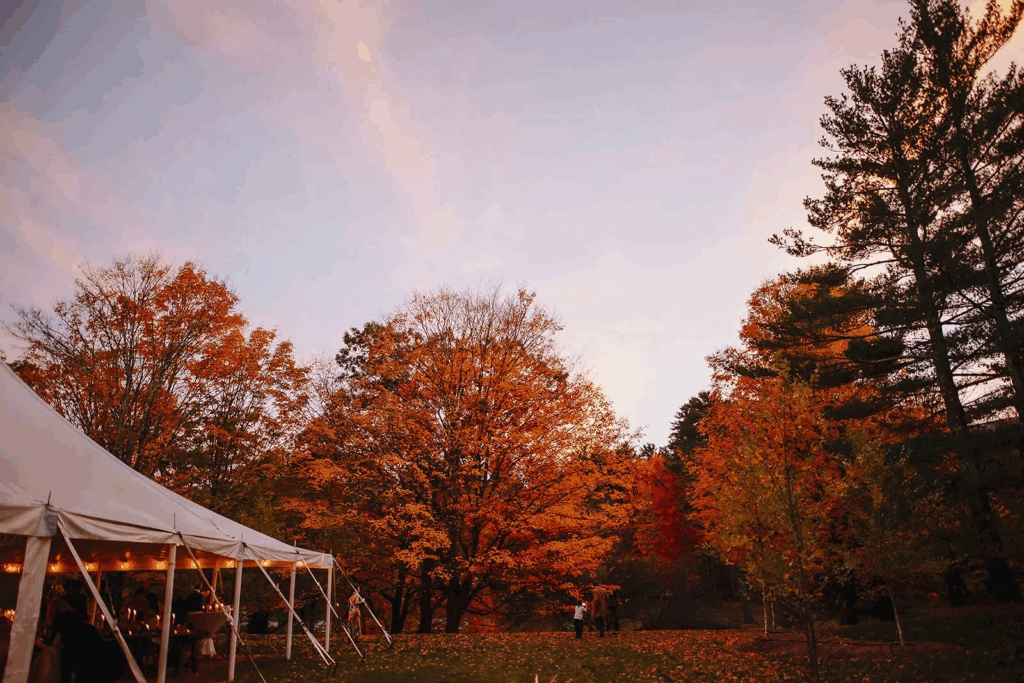
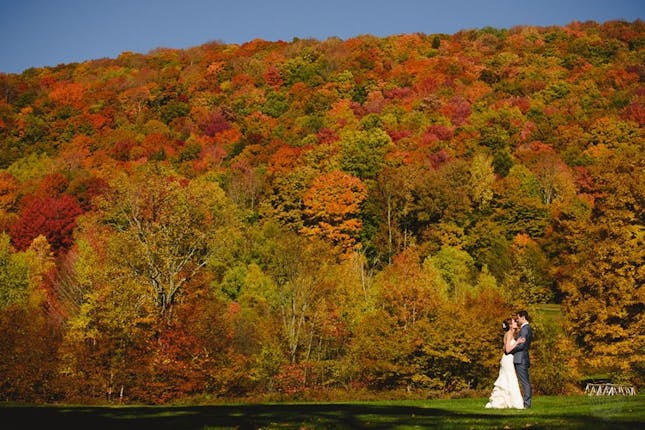
Autumn is perhaps the most iconic season for a Catskills Wedding. The golden foliage creates breathtaking backdrops but also means earlier sunsets, which affect your photo schedule. Winter weddings, though less common, offer cozy charm and intimate indoor settings. Just be sure to plan for earlier darkness and possible travel delays due to snow.
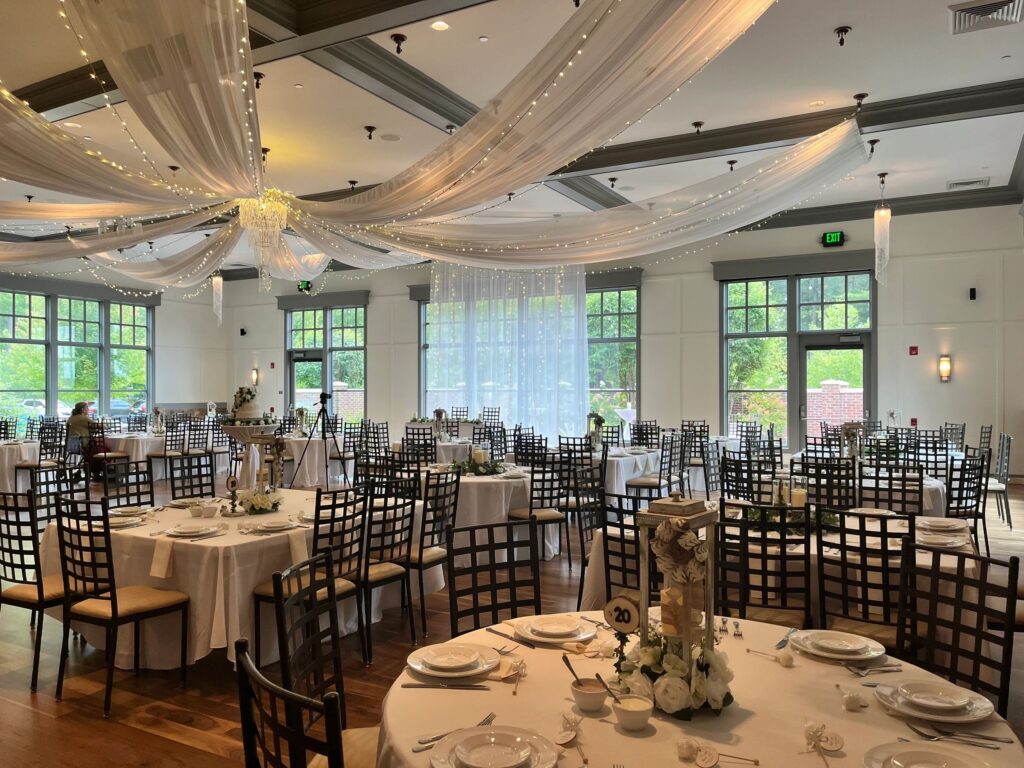
Regardless of season, always have a contingency plan. Discuss backup options with your venue for indoor ceremonies or covered receptions in case of unexpected weather.
Incorporating Local Experiences into Your Schedule
A Catskills Wedding isn’t just an event—it’s an experience. Many couples choose to extend their celebration beyond a single day, incorporating local culture and natural beauty into their itinerary.
The day before the wedding might feature a casual welcome gathering or rehearsal dinner at a nearby inn or lodge. This gives guests a chance to unwind after traveling and sets the tone for the weekend.
On the wedding day itself, some couples add unique touches that reflect the region—such as a pre-ceremony nature walk, a local musician during cocktail hour, or a bonfire under the stars. Your timeline should make room for these elements while ensuring transitions remain smooth.
The morning after your celebration can also be special. Consider scheduling a farewell brunch, allowing you to thank guests and share stories from the night before. This closure creates a sense of completeness and gratitude, rounding out the experience beautifully.
Working Backward: Building Your Timeline Step by Step
When creating your wedding timeline, it’s often easiest to work backward from your ceremony start time. Begin by setting that anchor, then calculate the time needed for preparation, photos, travel, and pre-ceremony activities.
For example, if your ceremony begins at 4 p.m., and you plan to have a first look at 2:30 p.m., you’ll need to begin hair and makeup no later than 8 a.m. This allows for sufficient preparation, breaks, and photography without rushing.
Afterward, build out the rest of the day in sequence—cocktail hour, dinner, speeches, dancing, and the grand exit. Be realistic about timing; each segment should allow for transitions and moments of spontaneity.
A good rule of thumb for Catskills weddings is to add buffer time between major events. This flexibility ensures that small delays—such as transportation hiccups or extended photo sessions—don’t create stress.
The Role of a Wedding Coordinator
Even with a detailed timeline, managing all the moving parts on your wedding day can be overwhelming. This is where a professional coordinator becomes invaluable. They oversee execution, manage vendors, and ensure your vision comes to life while you focus on enjoying the day.
A coordinator familiar with Wedding venues Catskills understands the logistical nuances of rural or outdoor spaces. They’ll handle timing adjustments, troubleshoot last-minute issues, and maintain communication among all parties. Their expertise ensures that your carefully crafted timeline unfolds effortlessly.
If your Catskills Wedding Venue offers an in-house coordinator, collaborate closely with them in the weeks leading up to your event. Share your priorities and expectations so they can align the timeline with the venue’s operations.
Creating a Flow that Feels Natural
A perfect wedding timeline isn’t just about efficiency—it’s about creating an emotional rhythm. Your day should flow naturally, reflecting the energy of each moment. The ceremony should feel heartfelt, the reception joyful, and the evening carefree.
Avoid overloading your schedule with too many activities. Instead, allow breathing room for connection and reflection. The Catskills’ tranquil atmosphere lends itself beautifully to slow, meaningful pacing. Give yourself and your guests the freedom to soak in the landscape and savor the experience.
Remember, the best moments are often unplanned—the laughter between dances, the quiet walk beneath the stars, the spontaneous toasts from friends. A great timeline provides the structure that allows these moments to unfold.