
The Importance of Logistics When Choosing Your Catskills Wedding Venue
When couples begin planning their special day, one of the most significant decisions they make is selecting the right venue. The venue not only sets the tone for the celebration but also influences every other aspect of the event—from décor and ambiance to guest comfort and overall flow. In a picturesque region like the Catskills, where the natural beauty of mountains, forests, and rivers creates the perfect backdrop for romance, the choice of venue carries even more weight. However, beyond aesthetics and scenery lies a crucial yet often underestimated factor—logistics.
Understanding the importance of logistics when choosing your Catskills Wedding Venue can make the difference between a smooth, joyful celebration and a stressful, disorganized day. Logistics determine how guests arrive, how vendors set up, how the timeline flows, and how comfortable everyone feels throughout the event. In a region as vast and varied as the Catskills, paying attention to logistical considerations is essential to creating a seamless and memorable wedding experience.
The Foundation of a Successful Catskills Wedding
Every couple dreams of a perfect Catskills Wedding—a day filled with love, laughter, and breathtaking scenery. Yet, that dream hinges on more than just floral arrangements or menu choices. It’s built upon practical decisions that ensure everything works harmoniously. Logistics serve as that foundation.
The Catskills region offers a range of Wedding venues Catskills couples can choose from—rustic barns, lakeside lodges, mountain resorts, historic inns, and woodland clearings. While each has its unique charm, accessibility and functionality play vital roles in determining whether the venue truly suits your needs. The more rural and secluded the venue, the more carefully you must plan for transportation, accommodation, vendor access, and other logistical details.
Without considering logistics early in the planning process, couples may face unexpected challenges, such as guests getting lost on winding country roads, caterers struggling to deliver food on time, or DJs losing power because of limited electrical capacity. While these issues might sound small, they can quickly snowball into major disruptions on your big day.

Accessibility and Transportation
One of the first logistical aspects to evaluate when choosing your Catskills Wedding Venue is accessibility. The Catskills are known for their scenic drives and charming rural roads, but these can also pose challenges for guests unfamiliar with the area. If your venue is tucked away in a remote valley or at the top of a mountain pass, you’ll need to plan how your guests will get there safely and comfortably.
Think about how far the venue is from major highways, airports, or train stations. Many visitors traveling to the Catskills come from New York City or other urban areas, so having clear directions and travel options can make a huge difference. Some couples arrange shuttles or private buses to transport guests between hotels and the venue, ensuring no one has to worry about driving back after the reception.
Parking is another key consideration. A venue might appear spacious, but parking in mountainous areas can be limited. Make sure the site can accommodate all guest vehicles or provide overflow parking nearby. If you’re planning a Big Indian NY Wedding venue celebration, for example, you’ll want to confirm whether parking is accessible year-round, as some Catskills areas can be challenging to navigate during certain seasons.
Transportation for vendors is equally important. Photographers, caterers, florists, and entertainers all need easy access to load and unload their equipment. A venue with narrow driveways, steep terrain, or limited loading zones can slow down setup and tear-down, causing unnecessary stress and delays.
Accommodation and Guest Comfort
Destination weddings in the Catskills often require guests to stay overnight or even for an entire weekend. Therefore, considering nearby accommodations is a fundamental part of the logistical planning process.
Couples should evaluate how close local hotels, inns, or rental properties are to the chosen venue. A venue that’s too isolated might force guests to travel long distances late at night, which can be inconvenient and unsafe. Alternatively, if your venue has on-site lodging or partnerships with nearby properties, it can greatly enhance guest convenience.
In the Catskills, the atmosphere is often intimate and nature-driven, which encourages couples to plan multi-day celebrations with welcome dinners, hikes, or brunches. Ensuring guests have comfortable lodging nearby allows everyone to fully enjoy the experience without worrying about travel logistics.
Accessibility for guests with mobility issues is another essential aspect of logistics. Some historic barns or outdoor venues may not have paved walkways or ramps, making it difficult for elderly guests or those using wheelchairs to move around. Confirming that your venue meets accessibility needs can help you avoid uncomfortable situations on your wedding day.
Seasonal Considerations and Weather Logistics
The Catskills are renowned for their four distinct seasons, each offering a different type of beauty. However, the changing weather patterns also bring logistical challenges that must be addressed when choosing your venue.
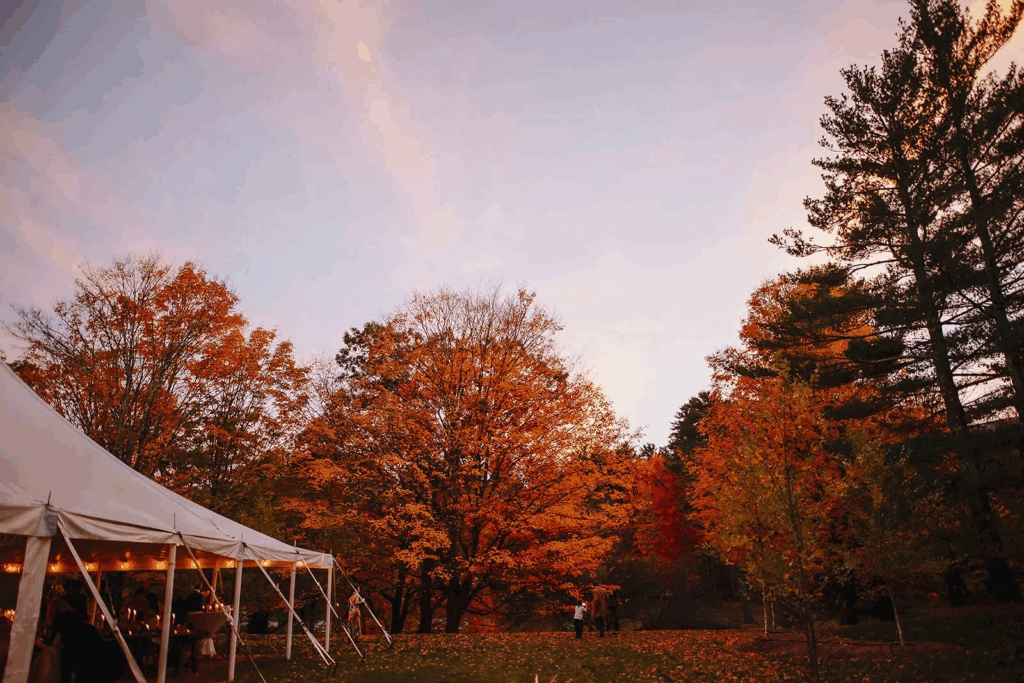
Spring in the Catskills brings lush greenery and blooming flowers, but it can also mean muddy grounds and unpredictable rain. Summer offers warm sunshine and long days, but remote venues might lack air conditioning or shaded areas for guest comfort. Autumn weddings showcase vibrant foliage that draws countless couples to the region, yet cooler evenings may require heating solutions or tents. Winter weddings, while magical and cozy, demand extra planning for snow removal, heating, and safe guest travel.
When touring Wedding venues Catskills, ask about how the property handles seasonal logistics. Are there backup indoor spaces in case of rain? Is the venue equipped with generators in case of power outages during a snowstorm? Can the grounds accommodate tents or coverings without damaging the landscape? Understanding these details ensures your event can proceed smoothly regardless of weather conditions.
Moreover, the season you choose can influence travel logistics. During the peak autumn foliage season, for instance, local roads can become crowded with tourists, potentially delaying guest arrivals. Winter months might require snow tires or four-wheel-drive vehicles to navigate rural areas safely. Planning ahead with these factors in mind ensures your guests arrive safely and comfortably.
Vendor Coordination and Setup
Your vendors are essential to bringing your wedding vision to life, but their ability to deliver quality service depends heavily on venue logistics. Every vendor—from florists to photographers—needs to know where and when they can access the space, where power outlets are located, and what restrictions might exist.
Some Catskills Wedding Venue options offer full-service coordination, which includes staff members who manage vendor arrivals and setup times. Others may simply provide the space, leaving coordination up to you or your planner. Understanding which category your venue falls into is vital.
Ask about delivery access points, loading areas, and storage options. If your caterer needs refrigeration or your DJ requires special power outlets, make sure those needs can be met. For outdoor venues, confirm that there are adequate facilities for food preparation, lighting, and sound equipment.
The Catskills’ rural charm often comes with limitations in terms of infrastructure, so planning these details early can prevent last-minute complications. Some venues, especially those in more remote areas, may not have strong cell reception or Wi-Fi, which can complicate communication among vendors. Discuss contingency plans with your team to ensure smooth coordination even in such conditions.
Timing and Event Flow
A well-planned timeline is essential to maintaining the flow of your wedding day, and logistics play a direct role in keeping that timeline on track. When considering a venue, visualize how your ceremony, cocktail hour, and reception will transition from one to another.
If your ceremony and reception take place in different locations, think about travel time between them. A short, scenic drive might add charm to your day, but a long or complicated route could frustrate guests. If both events occur on the same property, make sure there’s an easy and intuitive path from one area to another.
Lighting and power availability also influence your timeline. For outdoor weddings, sunset timing is crucial—especially in the mountains, where the sun may dip behind the peaks earlier than expected. Work with your photographer and planner to determine the ideal time for photos, dinner, and dancing based on the venue’s layout and natural light conditions.
Noise ordinances and curfews are another factor. Many Catskills towns have regulations regarding amplified music after certain hours. Understanding these restrictions ahead of time allows you to plan your entertainment accordingly and avoid any unexpected interruptions.
Infrastructure and Facilities
While the Catskills’ natural landscapes are enchanting, they may not always come equipped with modern amenities. Couples should take a close look at the venue’s infrastructure to ensure it can handle their wedding size and needs.
Restrooms, water supply, heating, and electricity are often overlooked in the excitement of choosing a scenic location. However, these essentials directly impact guest comfort and the success of your event. If you’re considering an outdoor or rustic venue, ask whether restrooms are on-site or if you’ll need to rent luxury restroom trailers.
Electricity is particularly important for lighting, catering equipment, and music. Some remote venues may have limited power capacity, requiring additional generators. Similarly, heating or cooling systems are essential depending on the season of your wedding. Ensuring these facilities are available and functional will prevent discomfort or technical issues during your celebration.
Communication and Planning Support
Good communication between you, your venue, and your vendors is the glue that holds all logistical details together. When evaluating Wedding venues Catskills, consider how responsive and organized the venue staff is. A reliable and communicative team can make the planning process smoother and less stressful.
Some venues offer on-site coordinators who assist with layout design, vendor management, and timeline creation. Others may only provide minimal oversight. Knowing what level of support to expect helps you decide whether you’ll need to hire an external planner or coordinator.
Having open lines of communication is particularly important for a Big Indian NY Wedding venue or other Catskills locations that attract out-of-town couples. If you’re planning from afar, being able to reach your venue representative easily via email or phone ensures that all details are confirmed before the big day.
Emergency Preparedness
No one wants to imagine problems occurring during their wedding, but preparing for potential challenges is a key part of logistics. The Catskills’ remote nature means that services like medical facilities, towing, or emergency maintenance might not be readily available.
Discuss with your venue how they handle emergencies. Is there a backup generator in case of power failure? Are there plans for inclement weather? Do they have staff trained in first aid? Taking time to assess these factors helps safeguard your guests and gives you peace of mind.
Additionally, creating your own contingency plans can make a big difference. Consider having an emergency contact list for key vendors, a small kit for minor injuries, and backup transportation in case of vehicle breakdowns. The more prepared you are, the more confidently you can enjoy your day.
Budget Implications of Logistics
While logistics are often viewed as a practical concern, they also have financial implications. Transportation, lodging, rentals, and additional staffing can all affect your overall budget. When comparing venues, look beyond the rental fee to consider the logistical costs associated with each location.
For instance, a more remote venue might appear affordable at first glance but could require extra expenses for shuttles, tents, or generators. On the other hand, a venue with built-in amenities and easy access may justify a higher price by reducing external costs.
Understanding these budget dynamics early helps you make informed decisions and avoid financial surprises later in the planning process.
The Role of Technology and Modern Solutions
In today’s digital age, technology can greatly simplify wedding logistics. From virtual tours to digital seating charts, modern tools help couples plan efficiently even from a distance.
Many Wedding venues Catskills now offer virtual consultations, allowing couples to explore layouts, check availability, and discuss logistics without needing multiple site visits. GPS mapping apps and digital invitations with integrated location links also help guests navigate easily to the venue.
Wi-Fi access at the venue can be particularly beneficial for vendors and photographers who need to upload files or coordinate in real-time. Incorporating these modern solutions ensures a smoother experience for everyone involved.