
Tips for Capturing the Perfect Wedding Photos at a Catskills Venue
A wedding day is one of the most cherished milestones in life—a celebration of love, commitment, and the beginning of a new journey together. The Catskills, with their rolling hills, scenic forests, and breathtaking views, provide an ideal backdrop for couples who dream of capturing timeless wedding photos. A Catskills Wedding Venue offers both natural beauty and rustic charm, allowing photographers to create images that are filled with emotion, light, and story. However, to make the most of this picturesque setting, planning and preparation are essential. Capturing the perfect wedding photos in such a setting goes beyond simply having a good camera—it involves timing, composition, lighting, and understanding how to tell a couple’s story through images that feel authentic and beautiful.
This article explores the art of capturing wedding photos in the Catskills, offering insights that help couples and photographers alike ensure that every image reflects the beauty and emotion of the day. Whether the celebration takes place at a mountain overlook, near a tranquil lake, or at a Big Indian NY Wedding venue, these tips will help you capture memories that last a lifetime.
The Natural Beauty of a Catskills Wedding Venue
The Catskills are known for their stunning landscapes that change dramatically with the seasons. From lush summer greens to the fiery hues of autumn, every season brings a distinct aesthetic that photographers can use to enhance the mood of a wedding album. Choosing a Catskills Wedding Venue often means embracing the outdoors, where nature itself becomes a key element in every photograph.
Photographers who understand how to work with natural surroundings can capture breathtaking imagery without relying on elaborate setups. The mountains, meadows, rivers, and open skies provide depth and scale that lend an almost cinematic quality to wedding photography. However, the natural light in such settings can shift quickly depending on the time of day and weather. Planning the photo schedule to align with optimal lighting conditions—such as the soft glow of golden hour—can make all the difference.
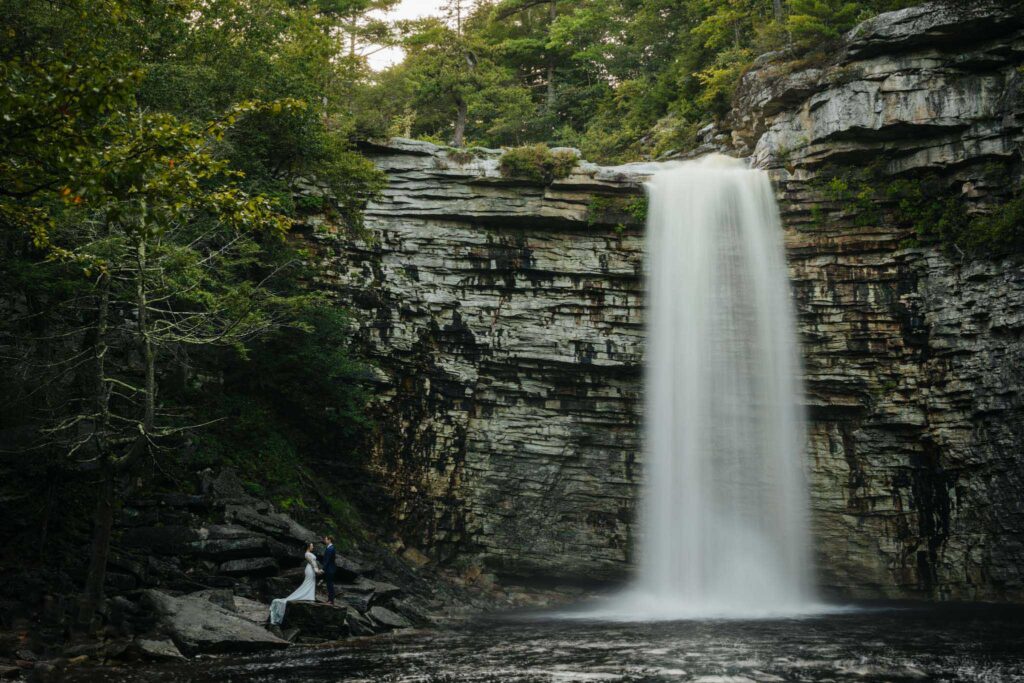
The serene environment of the Catskills allows photographers to play with both candid and posed shots, capturing the spontaneity of joy while also ensuring classic compositions that feel timeless. By using the landscape as a natural frame—whether it’s a towering pine forest or a sunlit field—a wedding photographer can emphasize not just the couple, but the atmosphere that surrounds them.
Understanding Lighting and Timing
Lighting is one of the most critical factors in achieving stunning wedding photos. In the Catskills, the natural light can range from soft and diffused on overcast days to bright and contrast-heavy under clear skies. Each condition presents unique opportunities for creative photography.
For outdoor ceremonies or portraits, the golden hour—shortly after sunrise or before sunset—is often the most flattering time for photography. During this period, sunlight is warm and gentle, casting a natural glow that enhances skin tones and adds depth to the landscape. For those planning an afternoon or evening ceremony, scheduling key portraits around this time can yield magical results.
Midday light, though harsh, can still be used effectively by positioning subjects in shaded areas or using natural reflectors such as light-colored walls, stone paths, or even open fields. A skilled photographer will understand how to manipulate exposure and shadows to prevent washed-out images and maintain detail.
If your Catskills Wedding includes indoor elements, such as a rustic barn reception or a cozy cabin ceremony, artificial lighting should be carefully balanced to maintain a natural atmosphere. Using warm-toned light sources can help create consistency with outdoor images, ensuring the album flows seamlessly from ceremony to reception.
Choosing Photogenic Spots at the Venue
Every Wedding venues Catskills location offers a unique collection of scenic spots, from panoramic mountaintops to intimate wooded nooks. When choosing a venue, it helps to explore the property ahead of time and identify potential backdrops for portraits and group shots. Many venues feature gardens, lakes, or mountain views that lend themselves to elegant compositions.
Some of the best photographs often come from unexpected places—a dirt path lined with wildflowers, a small bridge over a stream, or a clearing where sunlight filters through tall trees. Exploring these areas before the big day helps the photographer plan the flow of the shoot and anticipate lighting conditions.
At a Big Indian NY Wedding venue, for example, the surrounding landscapes often include a mix of forest and open meadow, allowing for dynamic compositions. A photographer might use the sweeping valley views for grand, cinematic shots while using more shaded woodland areas for intimate, romantic portraits.
Another important aspect of choosing the right location is accessibility. The best photos happen when the couple feels relaxed and comfortable. Walking long distances in formal attire can be tiring, so it’s wise to select a few easily accessible spots that offer variety without requiring excessive travel between shots.
Capturing Emotion and Authenticity
While the setting is important, the true magic of wedding photography lies in emotion. A Catskills Wedding Venue provides the perfect stage, but it’s the laughter, tears, and connection between people that turn photos into memories.
Photographers should focus on capturing natural expressions rather than overly posed moments. Candid shots—such as the couple sharing a private smile, parents wiping away tears, or friends laughing during speeches—often hold more emotional weight than any staged image. Encouraging the couple to interact naturally helps bring out their personalities and the genuine joy of the occasion.
Photographers can also use storytelling techniques to structure their coverage. Capturing the small details—the lace of the bride’s dress, the way light hits the wedding rings, the movement of the veil in the breeze—adds depth to the narrative. These elements, combined with wider scenic shots, create a visual story that feels complete and emotionally engaging.
For many couples, a wedding in the Catskills feels deeply personal. It’s not just about the venue, but about the connection to nature, the peaceful setting, and the sense of intimacy that smaller, destination weddings often bring. Photographers should tap into that emotion, letting the natural calm and beauty of the area reflect in every image.
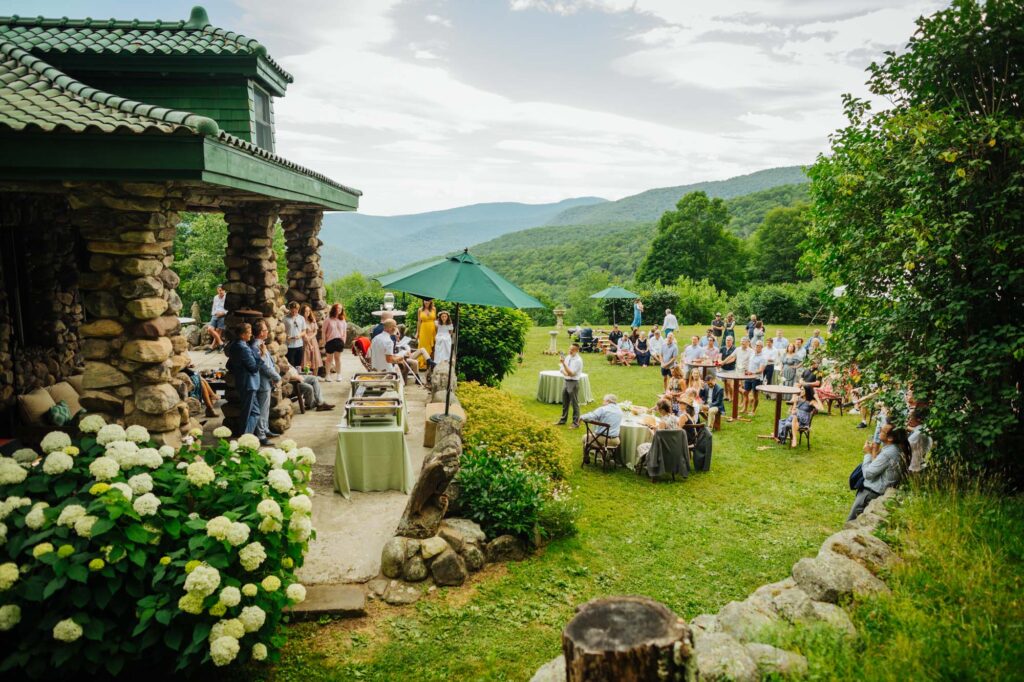
Preparing for Weather Variability
One of the defining characteristics of a Catskills Wedding is the unpredictability of mountain weather. Sunshine can quickly turn to rain, and mist can roll through the valleys at any time of year. While this may seem like a challenge, it can also provide incredible photographic opportunities.
Soft rain can add a romantic atmosphere, with reflections and textures that create mood and depth. Mist and fog lend an ethereal quality, transforming ordinary settings into something dreamlike. Photographers should come prepared with protective gear for their equipment and a flexible schedule that allows for quick adjustments.
Couples can embrace the elements by incorporating them into their images rather than resisting them. A shot of newlyweds under an umbrella surrounded by misty mountains can be more memorable than a standard sunny-day portrait. Being open to nature’s spontaneity allows the photography to reflect the authentic experience of the day.
For backup plans, it’s wise to scout covered areas or indoor locations at the venue where portraits can still be taken if the weather turns. Many Wedding venues Catskills offer barns, pavilions, or lounges with charming rustic character that make for beautiful indoor alternatives.
Coordinating with the Photographer
A successful wedding photo session depends on communication and trust between the couple and their photographer. Before the big day, it’s helpful to discuss style preferences, must-have shots, and any special requests. Sharing a timeline of events allows the photographer to plan ahead and ensure nothing is missed.
For example, if the couple wishes to take advantage of the sunset over the mountains, the photographer needs to schedule that window into the day’s plan. Similarly, family portraits should be organized efficiently to prevent delays that could interfere with natural lighting opportunities.
An experienced photographer will guide the couple through poses and settings while keeping the session relaxed and enjoyable. The goal is to make the process feel effortless, so the couple can focus on their connection rather than the camera.
It’s also important to consider how photography integrates into the overall flow of the wedding. In a relaxed, scenic environment like a Catskills Wedding Venue, blending the photography naturally into the celebration allows for organic, unforced moments that feel genuine rather than orchestrated.
The Role of Composition and Perspective
Composition is the foundation of powerful photography. The Catskills provide endless visual possibilities—towering trees, vast landscapes, rolling hills, and rivers that wind through the countryside. Knowing how to use these natural elements in the frame can elevate an image from ordinary to extraordinary.
Photographers often use the rule of thirds, leading lines, and framing techniques to draw attention to the couple while highlighting their surroundings. For example, placing the couple at the edge of a field with a sweeping mountain view behind them creates a sense of scale and grandeur. Shooting through foliage or flowers in the foreground adds depth and texture.
Perspective also plays a significant role. Low angles can make a couple appear more majestic against a mountain backdrop, while aerial shots—if available—can showcase the full expanse of the venue. Subtle changes in perspective can bring out the emotional tone of the moment, whether it’s the intimacy of a close-up embrace or the vastness of a panoramic view.
At a Big Indian NY Wedding venue, where nature takes center stage, using the landscape creatively can make each image feel unique and deeply connected to its location. The aim is to balance the couple’s story with the beauty of their surroundings.
The Importance of Detail Shots
Weddings are full of small details that tell a larger story. The decorations, floral arrangements, table settings, and even the invitations all contribute to the overall aesthetic of the day. In a Catskills setting, many couples choose elements that reflect the natural environment—wood textures, wildflowers, candles, and local craftsmanship.
Detail shots capture these personal touches, helping to preserve the memory of all the effort that went into the design. Photographers should take time before guests arrive to document the venue in its untouched state—the ceremony setup, the reception décor, and the landscape views.
Later, as the celebration unfolds, close-up shots of hands, rings, and expressions add intimacy and emotion to the collection. The combination of grand vistas and delicate details gives the final album balance and variety.
Making Use of Seasonal Themes
The Catskills change dramatically with each season, and couples often choose their wedding date based on the atmosphere they want to create. Each season brings unique opportunities for photography, and knowing how to embrace these variations helps in planning the perfect photo shoot.
Spring weddings feature vibrant greenery and blooming flowers, ideal for soft, romantic imagery. Summer offers long daylight hours and lush landscapes, perfect for bright and joyful photos. Autumn, perhaps the most iconic season in the Catskills, fills the mountains with red, orange, and gold hues that create a naturally dramatic backdrop. Winter weddings, while colder, can be incredibly magical, especially when snow blankets the scenery, creating a peaceful, ethereal setting.
Photographers should tailor their approach based on the season—adjusting color tones, lighting, and poses to reflect the mood. Whether it’s capturing warm sunlight filtering through fall foliage or the sparkle of snow in winter light, seasonal awareness is key to creating imagery that feels true to the moment.
Telling the Story of the Day
A wedding album should do more than display beautiful images—it should tell a story. From the anticipation of getting ready to the joy of the first dance, each moment adds to the narrative. A good photographer captures the progression of emotions and events, ensuring that the final collection reflects the flow of the day.
Starting with quiet, intimate moments in the morning allows the story to build naturally toward the ceremony and reception. The setting of a Catskills Wedding Venue enhances this storytelling approach, as nature itself mirrors the unfolding emotions—from the calm of early preparation to the celebration that follows.
Editing also plays a crucial role in storytelling. Consistent color grading, careful selection of images, and thoughtful sequencing ensure that the viewer can relive the experience from beginning to end. The result should feel cohesive, emotional, and timeless.